

Heat is destructive. Paper burns at 451°F. Aluminum melts at 1,221 degrees. Even steel surrenders at 2,500 degrees. But some materials resist extreme heat. These champions operate inside jet engines, rocket nozzles, and blast furnaces where regular materials fail.
The Challenge of Extreme Heat
Temperature attacks materials viciously. Atoms go crazy as heat climbs. They vibrate, dance, and eventually break free from their neighbors. Solid becomes liquid. Liquid becomes gas. Most substances can’t take the punishment. Modern technology needs heat. Power plants burn hotter to squeeze out more electricity. Factories use blazing furnaces to process materials. Jet engines run at insane temperatures because efficiency climbs with heat. Regular materials would melt into puddles.
Problems pile up at high temperatures. Oxygen turns aggressive, eating through surfaces like acid. Mechanical stress joins the party. Parts expand when hot, shrink when cool. This constant size change cracks materials after enough cycles. Sometimes components face all these attacks at once. For years. Without breaking.
How Materials Fight Back
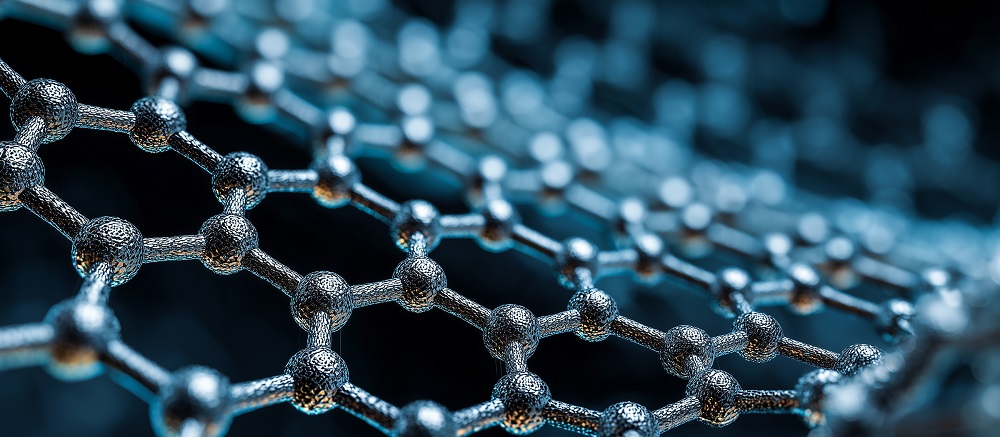
Some substances repel heat. Scientists found that specific atomic arrangements resist thermal destruction. Some ceramics keep their shape at temperatures that would turn a steel beam into a memory. Their atoms lock together with bonds that simply won’t quit. Crystal patterns matter enormously. Cubic arrangements often beat hexagonal ones in the heat game. Atom spacing plays a role too. Pack them just right, and the material gains superpowers. Get it wrong, and everything falls apart at half the expected temperature.
Mixing materials creates winners. Ceramic matrix composites for high-temperature industrial applications showcase this strategy brilliantly. Axiom Materials has built a reputation for creating these advanced solutions that survive furnace environments while keeping their strength at temperatures where single materials would fail catastrophically.
Protective coatings work like shields. A thin layer blocks oxygen from reaching the important stuff underneath. Some coatings reflect heat away. Others slowly sacrifice themselves, dying so the component lives. Stack different coatings and protection multiplies. Each layer has a job. Together they form an armor system against thermal attack.
Testing at the Edge
Validation requires violence. Test facilities unleash plasma torches hitting 10,000 degrees. Arc jets recreate spacecraft reentry. Lasers drill focused heat into samples until something gives. Labs recreate hell on Earth. Sudden temperature swings kill materials faster than steady heat, so tests include brutal thermal shocks. Pressure squeezes samples while they cook. Nasty gases attack surfaces. Survivors earn approval. Everything else goes back to the drawing board.
Computers predict doom before it arrives. Software tracks heat flow through virtual materials. Stress concentrations appear on screens before cracks form in reality. Simulations age materials in fast-forward, showing what happens after years of punishment. This digital torture saves fortunes in failed prototypes.
The Future Burns Brighter
Progress never stops. Ultra-high temperature ceramics now work above 4,000 degrees Fahrenheit. Manufacturing tricks create internal structures that seemed impossible five years ago. 3D printers build cooling passages inside solid blocks, cheating heat from within. Every degree gained pays dividends. Hotter combustion extracts more energy from fuel. Power plants become cleaner. Airlines fly farther on less fuel. Manufacturing processes that were dreams become profitable realities. Materials science keeps delivering surprises. Yesterday’s impossibility becomes tomorrow’s standard. Industries constantly demand more because competition never sleeps.
Conclusion
Civilization runs on materials that survive inferno conditions. Jet aircraft would stay grounded without them. Power generation would stall at medieval efficiency. Manufacturing would remain primitive. The hunt for tougher high-temperature materials accelerates because every industry wants to run hotter. Breakthroughs arrive regularly. Each one expanding what becomes possible when heat stops being the enemy and becomes just another engineering parameter to manage.
Comments are closed.