

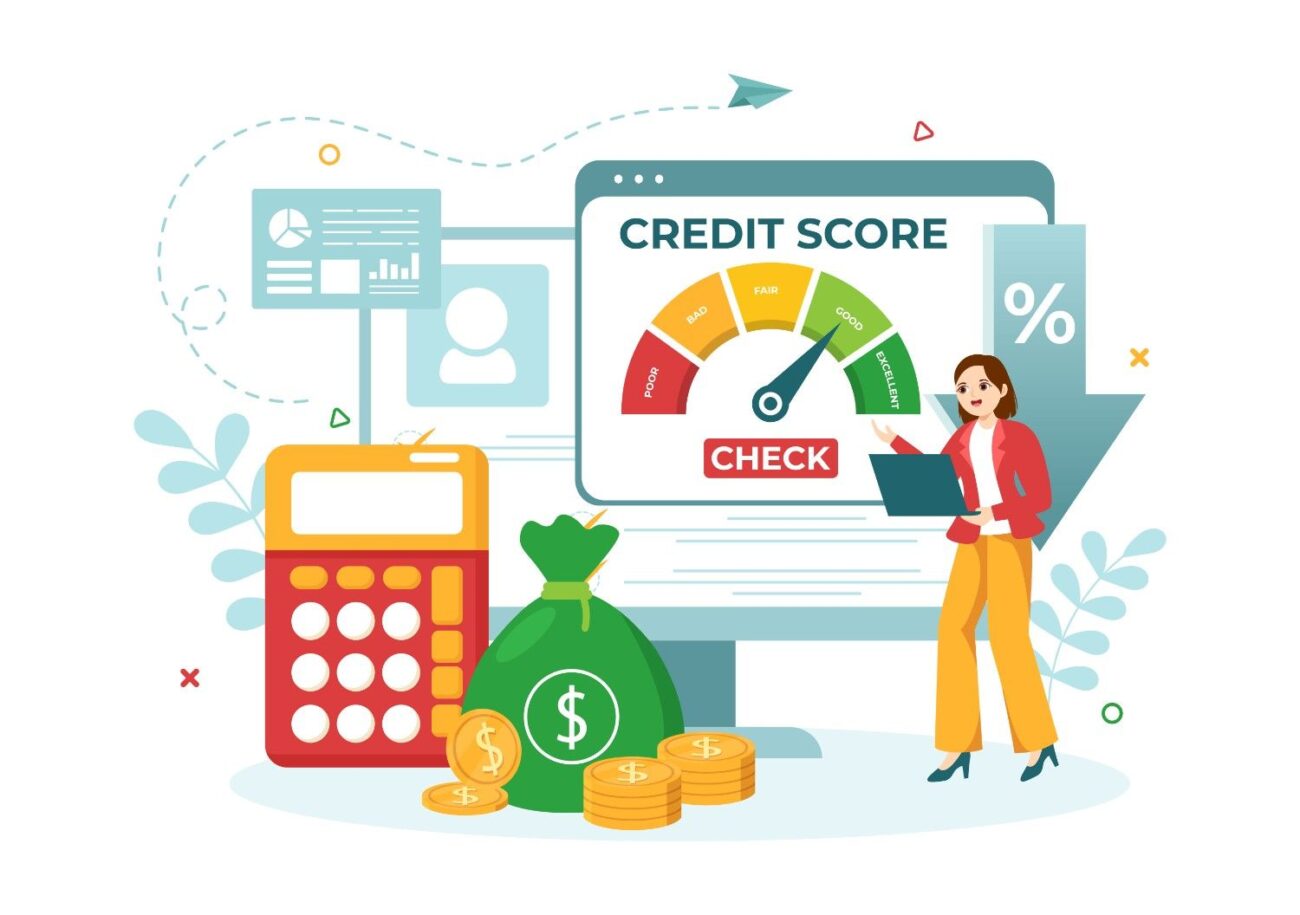
Starting with no credit can feel intimidating, but it’s actually a clean slate. With the right steps and a little patience, you can build a strong credit profile that opens doors to better interest rates, approvals, and financial flexibility. This guide walks you through the process clearly and practically—no shortcuts, no confusion.
What It Means to Have No Credit
Having no credit doesn’t mean bad credit. It simply means lenders have no data to evaluate how you handle borrowing. This is common for students, young adults, newcomers to a country, or anyone who has avoided credit products.
The goal is to create a positive borrowing history that shows reliability over time.
Step 1: Understand How Credit Scores Are Built
Before opening any account, it helps to know what matters most.
Key factors that influence your credit score include:
- Payment history (most important)
- Credit utilization (how much of your limit you use)
- Length of credit history
- Credit mix
- New credit inquiries
When building from zero, your focus should be on on-time payments and low balances.
Step 2: Start with a Secured Credit Card
A secured credit card is often the easiest entry point.
How it works:
- You provide a refundable cash deposit
- The deposit usually becomes your credit limit
- Your activity is reported to credit bureaus
Use the card for small purchases and pay the balance in full each month to avoid interest.
Step 3: Consider Becoming an Authorized User
If a trusted family member or partner has good credit, this step can give you a head start.
As an authorized user:
- Their account history may appear on your credit report
- You don’t need to use the card yourself
- Their payment behavior matters
Choose someone with a long history of on-time payments and low balances.
Step 4: Explore Credit-Builder Loans
Credit-builder loans are designed specifically for people with no credit.
How they help:
- You make fixed monthly payments
- Payments are reported to credit bureaus
- Funds are released to you after the loan is paid off
This builds positive payment history without the risk of overspending.
Step 5: Keep Your Credit Utilization Low
Credit utilization plays a major role in your score.
Best practices:
- Use less than 30% of your available credit
- Aim for 10–20% if possible
- Pay balances early, not just on the due date
Lower utilization signals responsible credit management.
Step 6: Pay Every Bill on Time—No Exceptions
Late payments are one of the fastest ways to damage new credit.
Tips to stay consistent:
- Set up automatic payments
- Use reminders or calendar alerts
- Pay at least the minimum if cash is tight
A flawless payment record builds trust quickly.
Step 7: Avoid Applying for Too Much Credit at Once
Each application can create a hard inquiry, which may temporarily lower your score.
When starting out:
- Apply only for what you need
- Space applications several months apart
- Focus on managing existing accounts well
Patience is a powerful credit-building tool.
Step 8: Monitor Your Credit Progress Regularly
Tracking your credit helps you stay motivated and catch errors early.
What to look for:
- Correct account information
- Accurate balances and payment history
- No unfamiliar accounts or inquiries
Monitoring does not hurt your score and keeps you informed.
Step 9: Upgrade to Unsecured Credit Over Time
After several months of responsible use, you may qualify for:
- An unsecured credit card
- A higher credit limit
- Better interest rates
At this stage, your credit profile begins to work in your favor.
Common Mistakes to Avoid When Building Credit
- Maxing out your first card
- Missing payments by even a few days
- Closing your first account too early
- Ignoring your credit report
Avoiding these mistakes saves time, money, and frustration.
Frequently Asked Questions (FAQs)
1. How long does it take to build credit from zero?
You may see a score within 3–6 months, but strong credit typically takes a year or more of consistent behavior.
2. Can rent payments help build credit?
Yes, if your landlord or a rent-reporting service reports payments to credit bureaus.
3. Is it possible to build credit without a credit card?
Yes. Credit-builder loans, reported utilities, or authorized user status can help.
4. What is the minimum credit limit I need to start?
There is no minimum. Even a low limit can build credit if used responsibly.
5. Should I close my secured card once I get an unsecured one?
Not always. Keeping it open can help maintain credit history and utilization.
6. Does paying bills early help more than paying on time?
Paying early helps lower reported balances, which can improve utilization.
7. Can mistakes be removed from a new credit report?
Yes, errors can be disputed and corrected if they’re inaccurate or unverified.
Building credit from zero is not about rushing—it’s about consistency and discipline. By following these steps and avoiding common pitfalls, you create a financial foundation that supports your goals for years to come.
Comments are closed.